MÓNICA Romão
Virtual reality TECHNOLOGY RESERCH
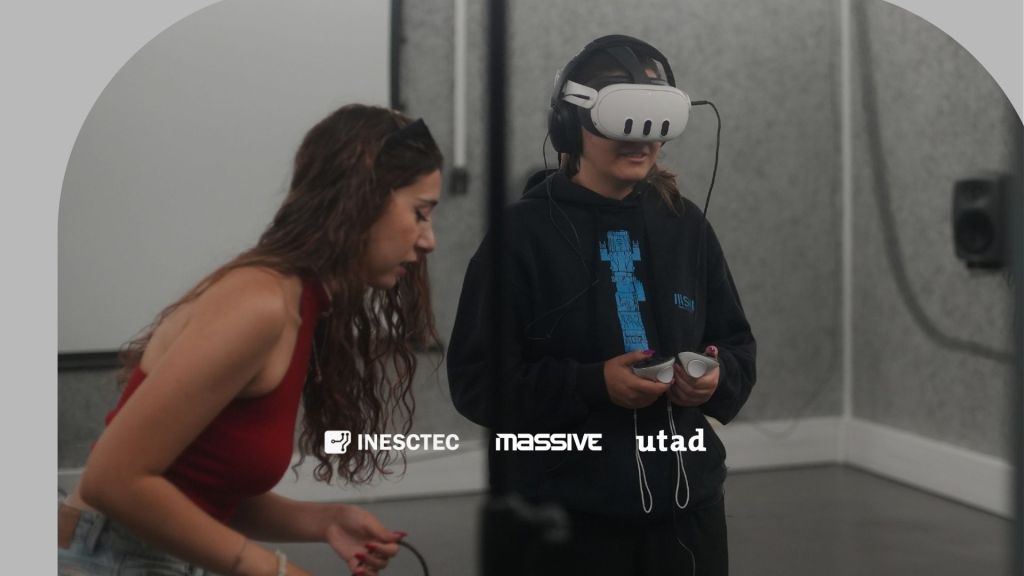
MASSIVE VR LAB
MASSIVE (acronym for Multimodal Acknowledgeable multiSenSory Immersive Virtual Environments) is a laboratory devoted to the multidisciplinary study of the relationship between virtual reality technologies and the different dimensions of human performance.
The mission is to make use of virtual reality technology to enhance human abilities in order to address global challenges and improve quality of life.
We will achieve this goal by contributing to scientific advances in the field and having an active participation in the community, always with an ambition to innovate based on the ethical principles that guide research and life in general.
The increasing integration of Virtual Reality (VR) technology in education has sparked growing interest in creating immersive virtual environments for foreign language learning. This innovative field opens up unique opportunities to explore new pedagogical approaches and deliver more engaging and effective learning experiences. The MASSIVE Virtual Reality Lab has emerged as a hub for this research, supporting pioneering educational projects through VR.
My project focuses on investigating the effectiveness and impact of virtual environments developed at MASSIVE for language teaching and learning. By exploring the construction of VR environments using the Unity engine, it examines how emerging technologies can be leveraged to create interactive and immersive educational experiences. Additionally, the research analyses the design, development, and implementation process, highlighting challenges and the solutions developed along the way.
Using a multidisciplinary approach, this work combines insights from education, applied linguistics, and information technology to assess the transformative potential of VR in language learning. Empirical studies were conducted to evaluate student engagement, pedagogical effectiveness, and learning outcomes achieved through these virtual environments.
Ultimately, this research aims to contribute valuable insights for educators, researchers, and developers interested in integrating Virtual Reality into language education, advancing knowledge in this emerging and exciting field.
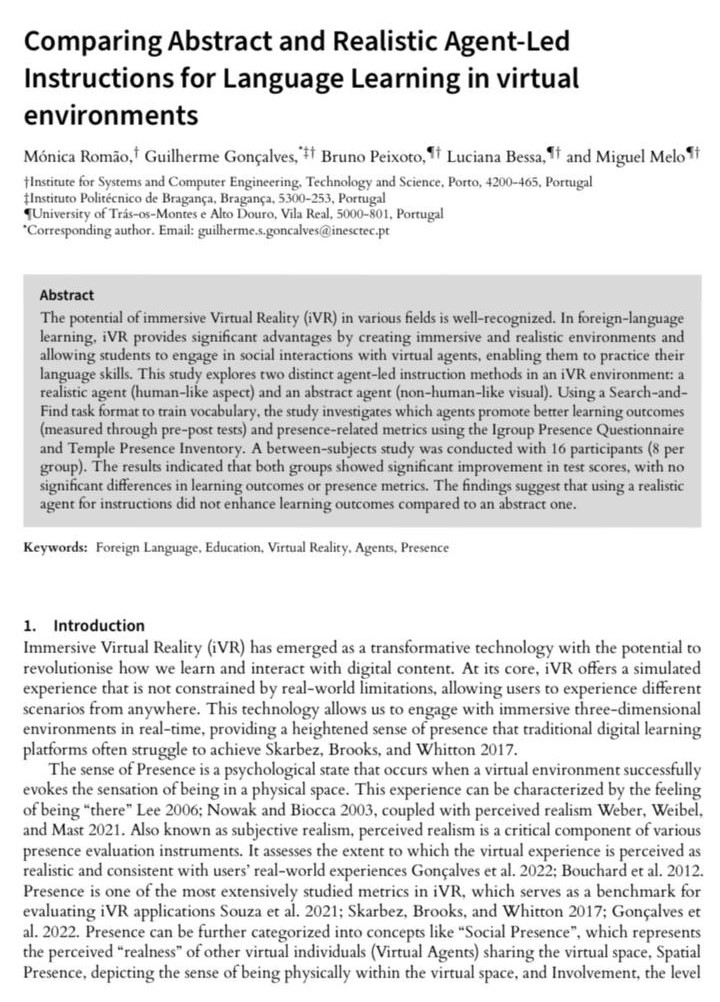
The proposed a research paper titled “Comparing Abstract and Realistic Agent-Led Instructions for Language Learning in Virtual Environments: A Study on Presence Effects,” is under review for publication in IEEE-RITA
Had my work featured in the article “Grants for Pedagogical Innovation Projects” Awarded”, highlighting the impact of my contributions in the field of immersive virtual environments.
Virtual reality development
ARDITI
ARDITI is an open, interdisciplinary institution dedicated to the development of research and innovative solutions in the fields of technology, health, and maritime studies.
Its members include the Regional Government of Madeira, the University of Madeira, and a number of private entities in the region interested in research and technological development (R&D+I).
Recognized as a non-profit public utility organization within the national science and technology system, ARDITI aims to support research activities, experimental development, technology transfer, professional training, and scientific dissemination.
My sector of work is part of ITI – the Interactive Technologies Institute, which focuses on the study of mental processes and cognitive experiences in virtual reality applications. This involves exploring how VR can be applied to psychology, mental health, learning, and cognitive development, combining technology and neuroscience to create immersive, user-centered solutions.
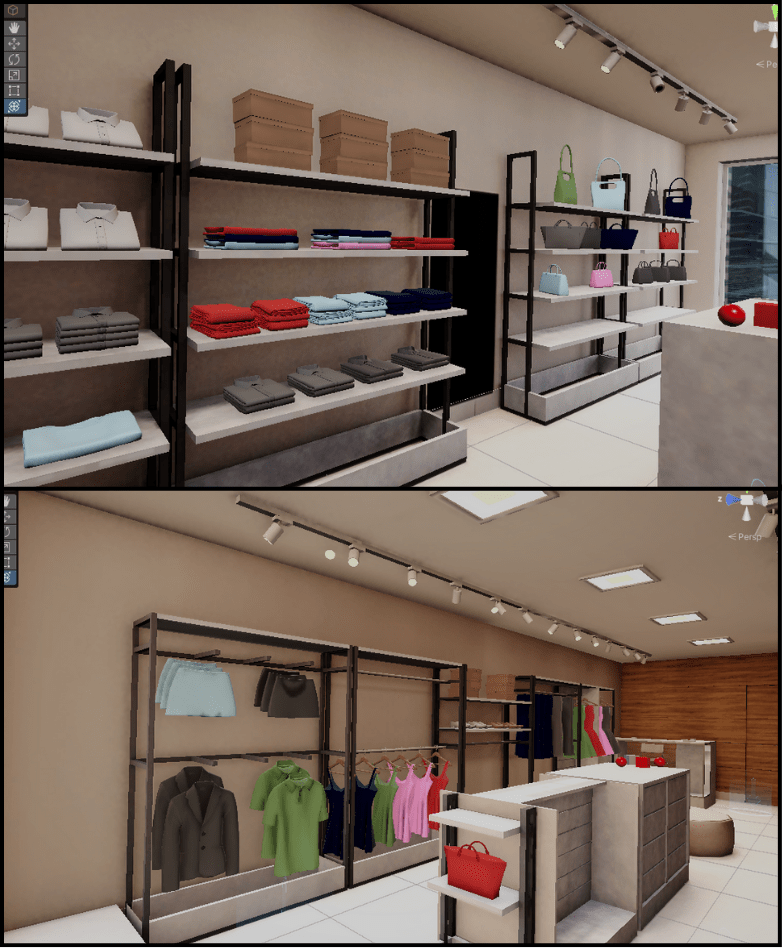
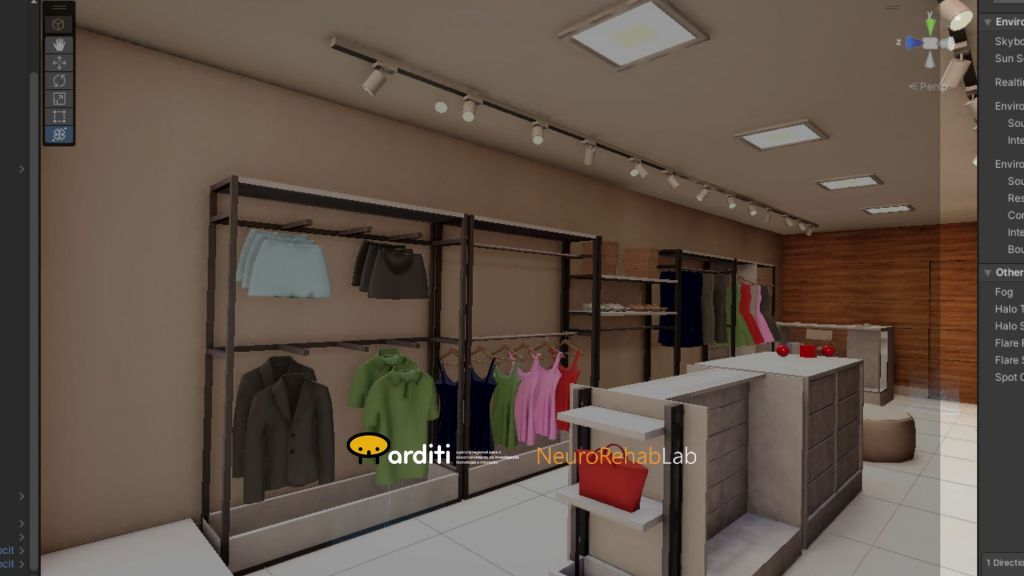
Reh@City is an advanced virtual reality (VR) platform developed by ARDITI’s NeuroRehabLab to support cognitive rehabilitation. It recreates urban environments, such as streets, shops, parks, and public spaces, allowing users, particularly those recovering from neurological conditions such as stroke, to practice daily activities in a safe and immersive setting. The platform combines realistic environments, interactive tasks, and adaptive challenges to enhance memory, attention, spatial orientation, and executive functions.
Building on this research-driven approach, I contributed to the development of interactive VR environments, including the Fashion Store project. My work focused on creating a fully immersive and interactive virtual environment that could be used for research, teaching, and user experience testing. This experience allowed me to combine multimedia design, VR development, and user-centered interactivity with a research-informed approach, producing immersive environments that align with ARDITI’s goals in cognitive rehabilitation, education, and interactive technologies.
EU PROJECTS
Non Formal Education
Imaginarium: Step into the Multiverse
18/09/2023 – 27/09/2023 Herculium, Italy
Promoting Critical Thinking though Youth Work
02/10/2022 – 08/10/2022 Zadar, Croatia
Youth in Risk – Drug use
14/09/2021 – 19/09/2021 Zab, Poland
Challenge gender roles
10/08/2021 – 18/08/2021 Liubliana, Slovenia
Time for your performance
08/07/2021 – 17/07/2021 Yerevan, Armenia
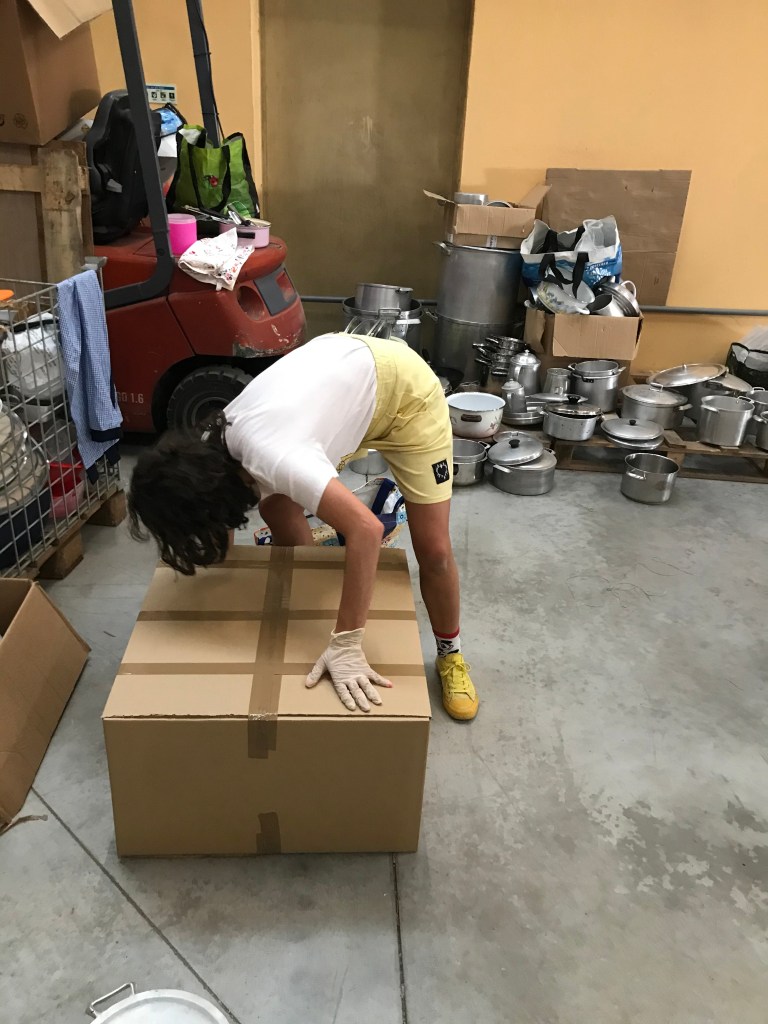
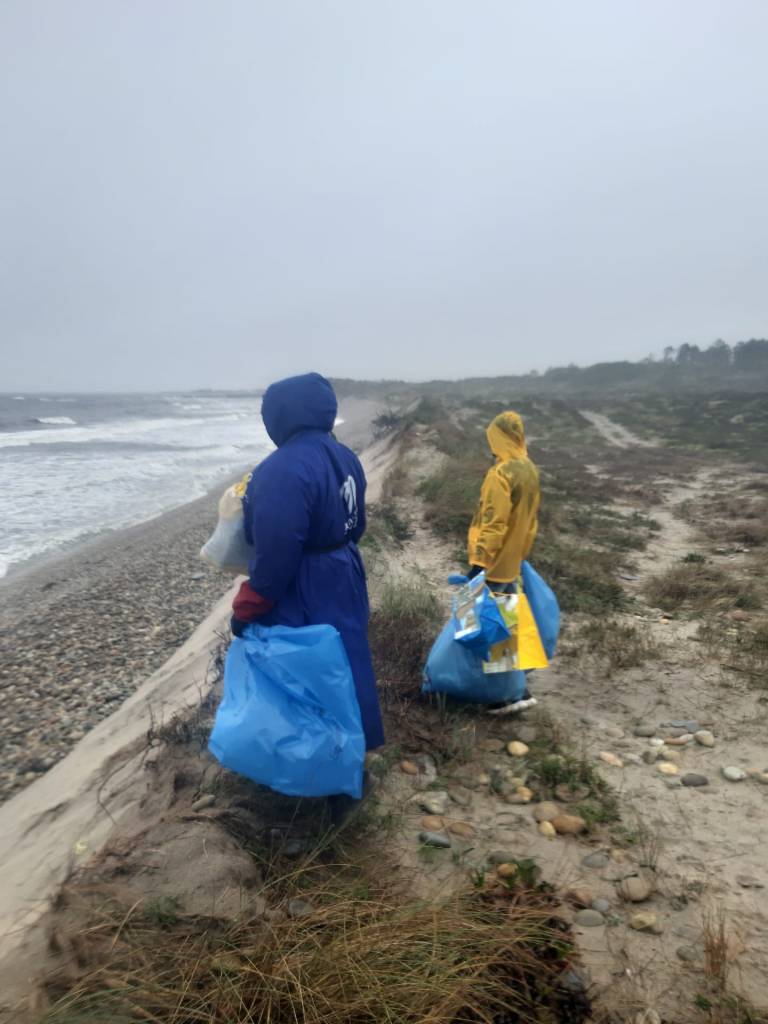
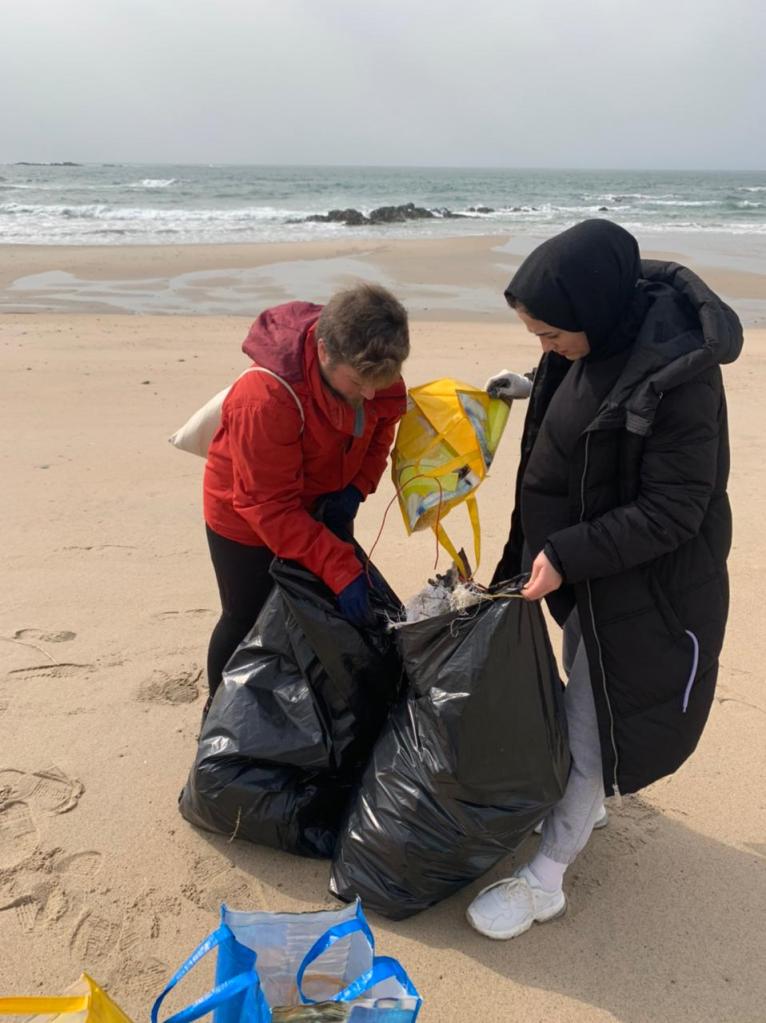

voluntering
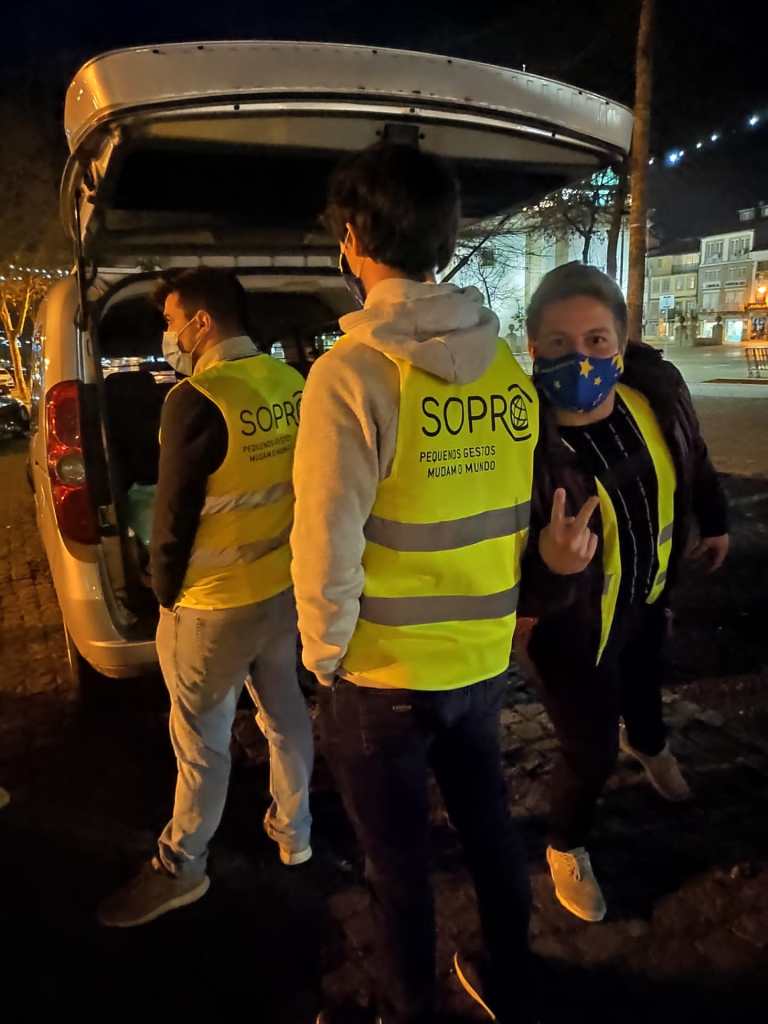
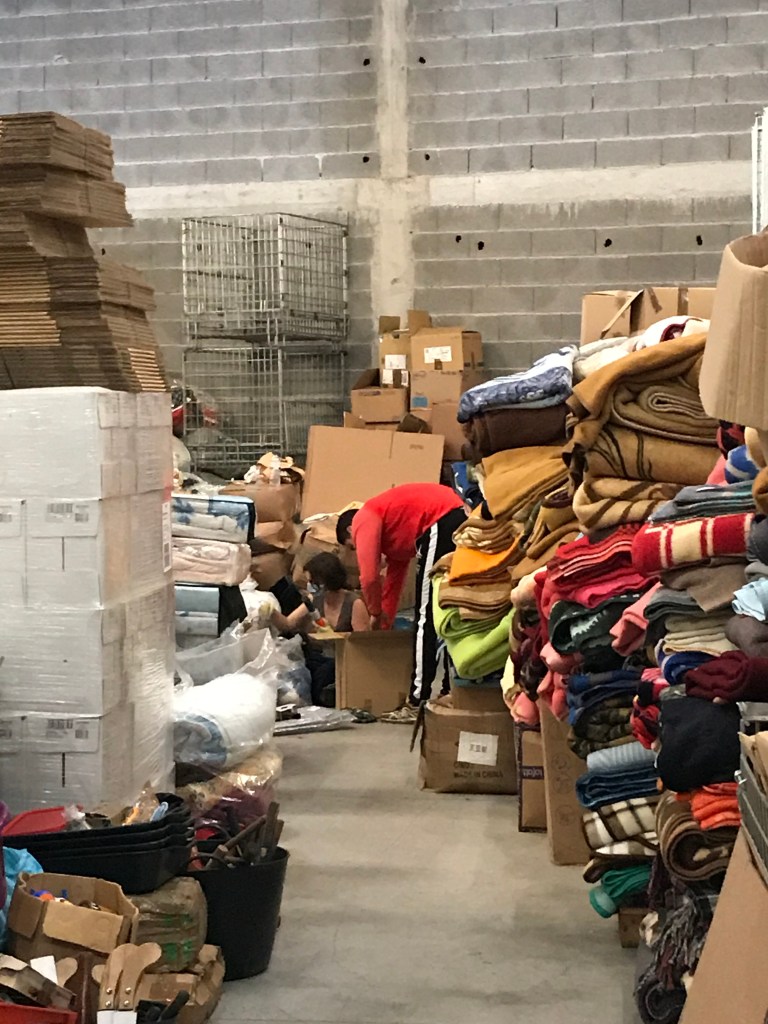
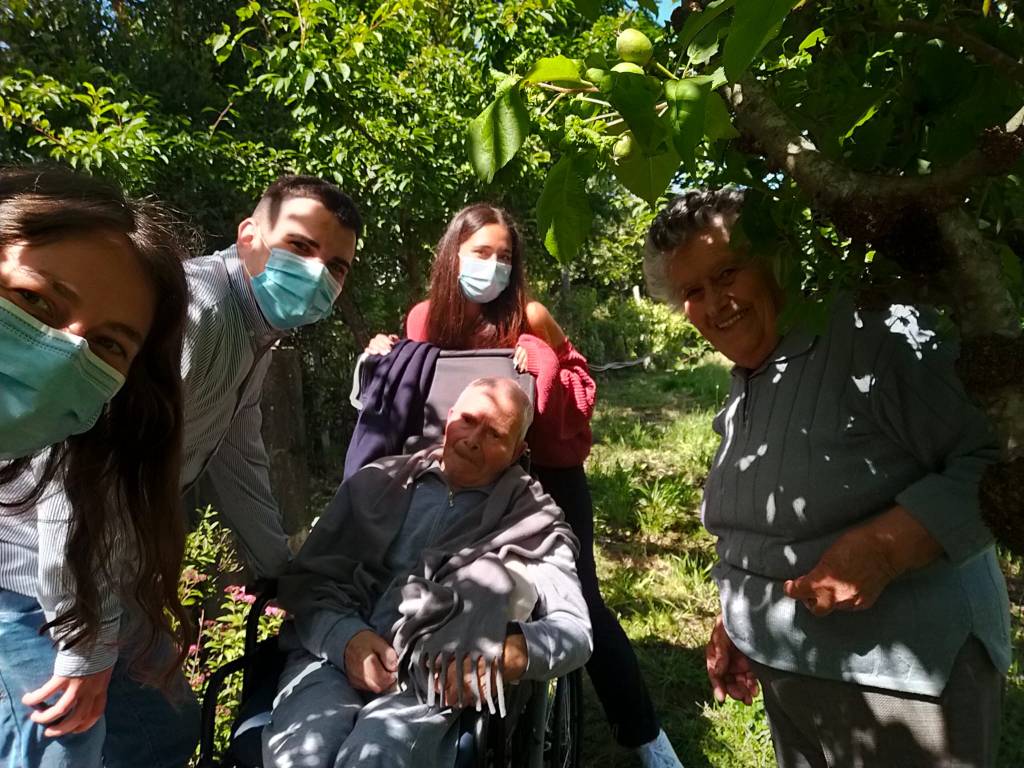
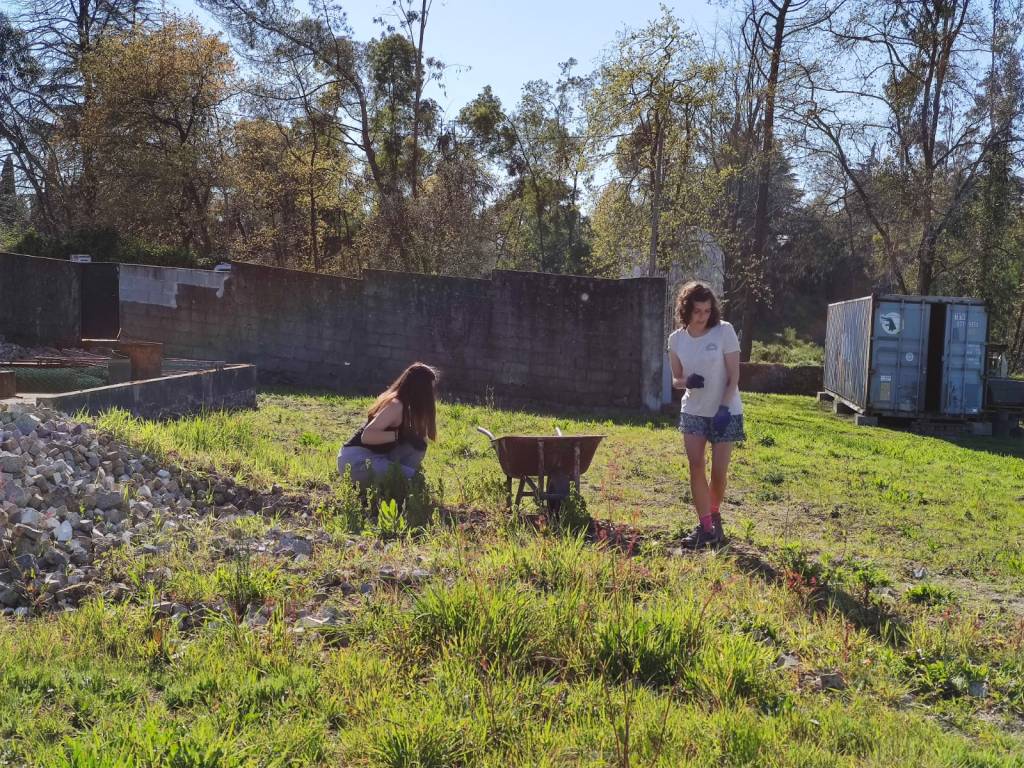
EUROPEAN SOLIDARITY CORPS PROGRAM 01/10/2020 – 01/05/2021
SOPRO – SOLIDARITY AND PROMOTION BARCELOS, PORTUGAL


 Mónica Romão